Ebola at 600 cases, Pandemic Accord cleared, and WHO's push on GLP-1 access — Global Health Digest, May 21

The Bundibugyo Ebola outbreak has escalated to 600 suspected cases and 139 suspected deaths in DRC and Uganda as the WHO Emergency Committee convenes; a US surgeon was medevac'd to Berlin's Charité. WHA79 passed the Pandemic Accord resolution 124-0, but PABS negotiations will extend a further year. WHO opened the first-ever GLP-1 prequalification channel for semaglutide generics. Hantavirus on MV Hondius: 3 deaths, 9 confirmed as of May 20, EU risk remains very low.

Event summary

DateEventBodyType
May 17Bundibugyo Ebola PHEIC declared (DRC + Uganda)WHO DG (pre-EC)PHEIC declaration
May 18–20Ebola: 600 suspected cases, 139 suspected deathsWHO / Al JazeeraOutbreak escalation
May 19–20Dr. Peter Stafford (US medical missionary) medevac'd to Berlin's CharitéSerge / Reuters / BBCMedical evacuation
May 18Pandemic Accord resolution approved, Committee A — 124 in favour, 0 against, 11 abstentionsWHA79Policy milestone
May 19PABS annex: one-year extension tabled; accord ratification remains on holdWHA79 / Health Policy WatchNegotiation stall
May 19WHO DG address: EML updated to include GLP-1s (diabetes/obesity); semaglutide + fast-acting insulin prequalification pathway openedWHOTreatment access
May 19–20US dues suspension threat; Argentina exit acknowledged; WHO 2026-27 budget 90% fundedWHA79Finance / governance
May 20MV Hondius hantavirus cluster: 3 deaths, 9 confirmed cases as of May 20; ECDC EU risk remains very lowECDC / HPSCOutbreak surveillance

Outbreak response

Ebola (DRC + Uganda): 600 suspected cases, rapid escalation since PHEIC

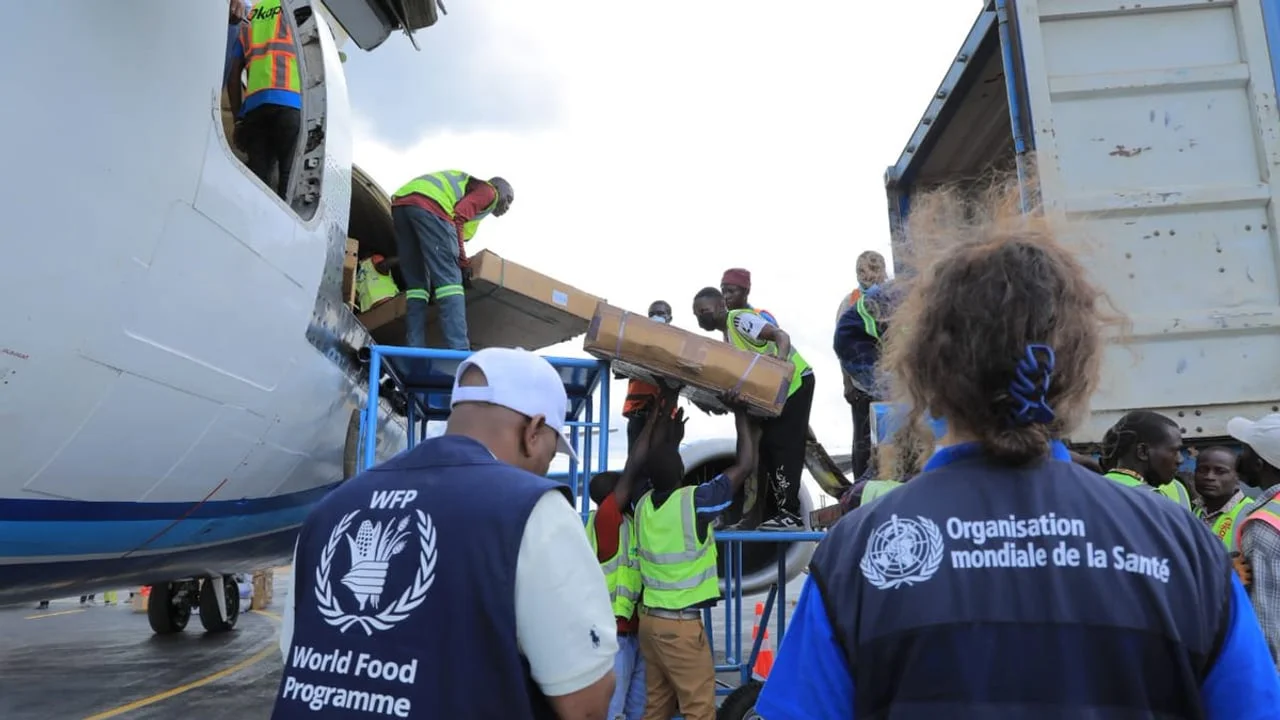
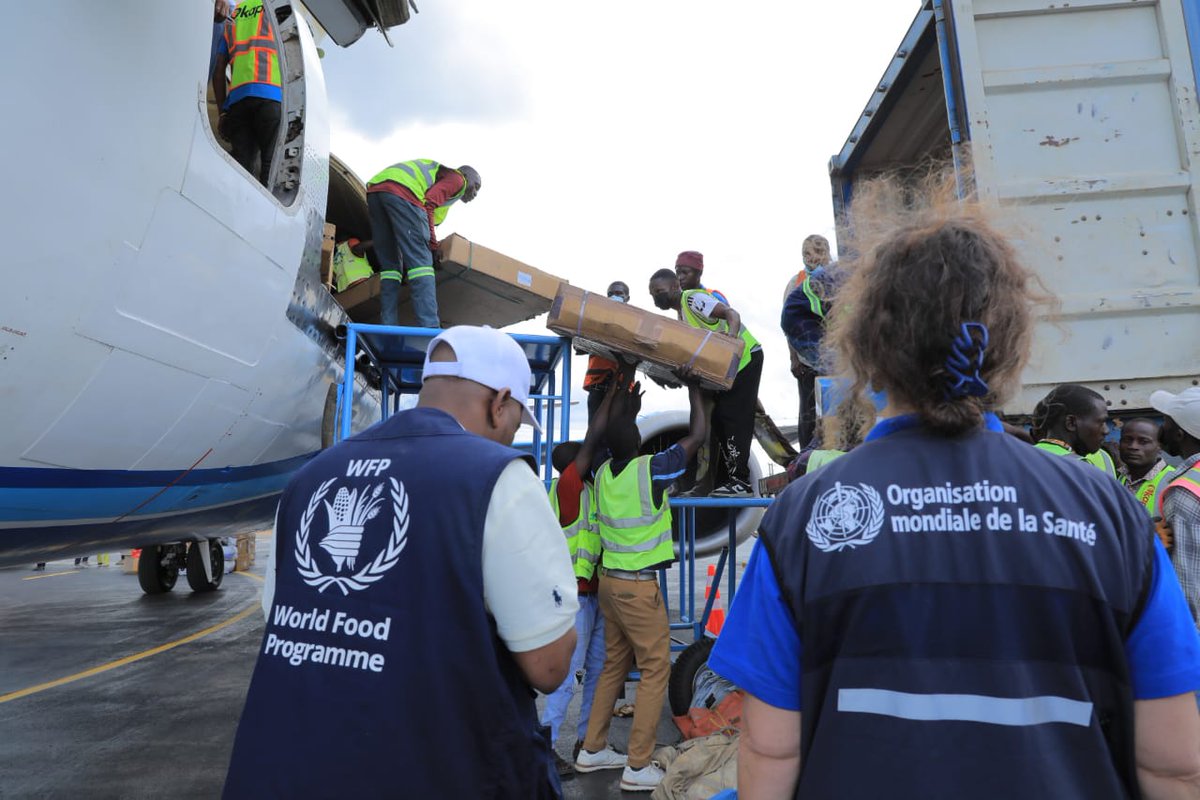
The Bundibugyo Ebola virus disease (BVD) outbreak declared a PHEIC on May 17 has grown sharply in the days since. As of May 20, WHO reported 600 suspected cases and 139 suspected deaths in DRC's Ituri and North Kivu provinces, plus 2 confirmed cases (1 death) in Kampala, Uganda 1. Of the suspected cases, 51 are laboratory-confirmed in DRC and 2 in Uganda — a low confirmation rate that WHO says reflects diagnostic capacity constraints, not a ceiling on true infections.
WHO DG Tedros made the PHEIC determination on May 17 without first convening an Emergency Committee, citing the outbreak's pace 2. The Emergency Committee is now being convened to issue formal temporary recommendations. The May 17 WHO assessment notes an 8-out-of-13 positivity rate on initial samples, which "points towards a potentially much larger outbreak than what is currently being detected." The outbreak started from a cluster first noticed on or around April 20, with suspected super-spreader events at a funeral and in healthcare facilities.
This is DRC's 17th Ebola outbreak since the virus was first identified in 1976 3. The prior DRC outbreak ended in December 2025 and reached 513 suspected cases and 131 deaths. There is no approved vaccine or therapeutic for the Bundibugyo species; ERVEBO — the licensed Zaire-species vaccine — is not expected to protect against Bundibugyo based on animal model data.
No cases linked to this outbreak have been reported in the United States as of May 18 3.

US healthcare worker evacuated to Berlin

On May 20, Dr. Peter Stafford, a 39-year-old American general surgeon serving with the Christian mission organization Serge at Nyankunde Hospital — roughly 25 miles from the Mongwalu epicentre — arrived at Berlin's Charité university hospital for specialist Ebola care 4. He tested positive on May 18 after an occupational exposure. Germany — not the United States — has one of Europe's highest-security isolation units for viral haemorrhagic fevers.
Stafford's wife (also a physician and potential exposee), two Serge colleagues, and the couple's four children have left DRC and are under surveillance protocols. Serge said all potentially exposed personnel have been evacuated 4. CDC confirmed his condition is stable 5.
링크 미리보기를 불러오는 중…
Travel health notice status (CDC, as of May 15): Level 3 (avoid non-essential travel) for Ituri and Nord-Kivu provinces in DRC; Level 1 (practice usual precautions) for Uganda 3. UK NaTHNaC advises pre-trip risk assessment, comprehensive travel insurance with medevac cover, and 21-day post-return symptom monitoring 6.

MV Hondius hantavirus: 3 dead, 9 confirmed as of May 20

The Andes hantavirus cluster linked to the expedition cruise ship MV Hondius now stands at 3 deaths and 9 laboratory-confirmed cases as of May 20, according to Ireland's Health Protection Surveillance Centre (HPSC) 7. Additional cases remain under evaluation. The HPSC notes that "due to uncertainties and the long incubation period, additional cases may emerge over the coming weeks."
ECDC's risk assessment for the EU/EEA general public remains very low. Andes virus requires prolonged close contact for human-to-human transmission; the South American rodent reservoir that carries it is not established in Europe 8. The 42-day surveillance window for passengers and crew runs through mid-June 2026.
UK nationals from the Hondius have returned to the UK and are under quarantine protocols 9. ECDC and WHO are coordinating national responses.

Policy

Pandemic Accord: resolution passes Committee A, PABS ratification delayed one year

The WHO Pandemic Accord's enabling resolution was approved in WHA79 Committee A with 124 states in favour, none against, and 11 abstentions 10. The resolution passed the accord itself — adopted at WHA78 in 2025 — on to national ratification processes.
However, the critical Pathogen Access and Benefit Sharing (PABS) annex remains unresolved. PABS defines how member states and pharmaceutical manufacturers share dangerous pathogen sequences and ensure lower-income countries receive vaccines and treatments in future pandemics. Negotiators hit an impasse in early May and are now tabling a one-year extension of the PABS talks at WHA79 11. Until the annex is finalised, the full accord cannot proceed to ratification.
The core split: lower-income countries want binding baseline commitments from manufacturers — codified in standardised WHO contracts — requiring them to share benefits (doses, technology transfer) during severe pandemic emergencies. Higher-income countries argue mandatory benefit-sharing would deter investment in new products. Colombia and others have proposed segment-voting on already-agreed text as a way out of "all-or-nothing" consensus stalemates.

WHO governance: US dues threat, Argentina exit, 90% budget funded

WHA79 is expected to adopt a rule that would suspend voting rights for any member with unpaid assessed contributions if they remain outstanding by the opening of WHA80 in 2027 11. The measure would apply to the US — which owes an estimated $260 million in 2024–25 dues after its withdrawal — along with eight other countries (Burundi, Djibouti, Equatorial Guinea, Nigeria, Panama, São Tomé and Príncipe, Timor-Leste, and Turkmenistan).
Argentina's exit from WHO is being processed separately; the WHO Constitution contains no withdrawal procedure, so WHA79 is expected to simply acknowledge the departure.
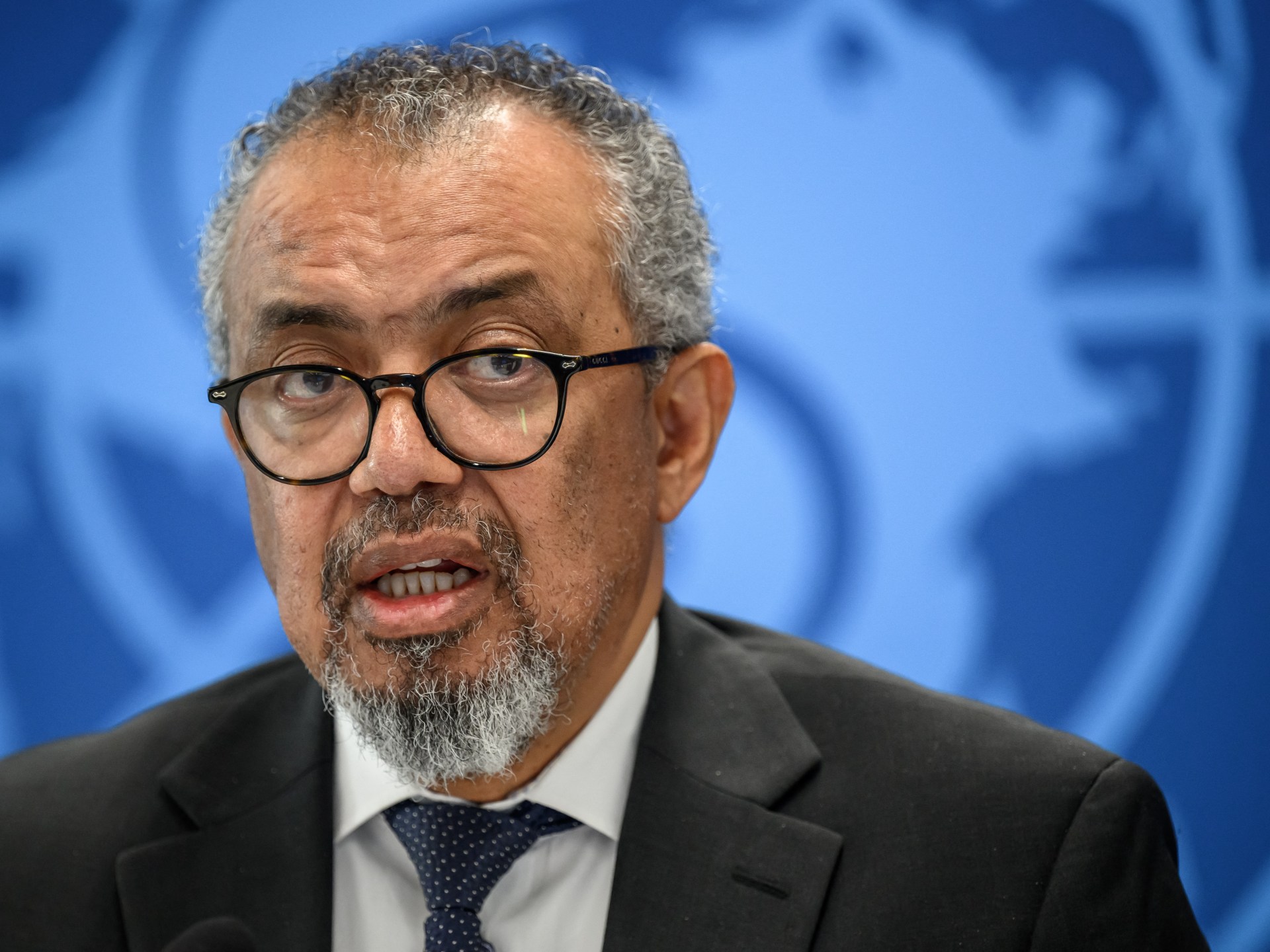
Despite the funding disruptions, WHO's 2026–27 budget of $4.2 billion is approximately 90% resourced, according to DG Tedros's address to member states on May 19 12. A residual $740 million in uncommitted pledges remains at risk.
링크 미리보기를 불러오는 중…

Treatment access

WHO opens prequalification pathway for semaglutide and fast-acting insulin analogues

On the fifth anniversary of the Global Diabetes Compact, WHO issued a call for manufacturers to submit prequalification applications for generic semaglutide (a GLP-1 receptor agonist) and fast-acting insulin analogues 13. In parallel, DG Tedros confirmed at WHA79 that WHO has updated the Essential Medicines List to include GLP-1s for diabetes in people with obesity 12.
The rationale is stark: approximately 589 million adults aged 20–79 live with diabetes globally (IDF 2024), and the disease burden is now growing fastest in lower-income countries where access to modern therapies is worst 13. In Ghana, a single semaglutide pen (Ozempic) retails for roughly $500 in Accra — a weekly injection costs more than $2,000 per month. WHO prequalification doesn't re-evaluate clinical safety, which established trials and authorised regulators already covered; it certifies that a generic manufacturer can produce product to quality standards, enabling large-scale procurement through global health channels.
Three factors make the timing viable. First, semaglutide's core patents expired in India, China, and Brazil in March 2026, unlocking large-scale generic production; Indian generic launches have already brought prices down by up to 80% in some markets. Second, WHO's February 2026 insulin-manufacturer dialogue drew 28 companies — more than expected — signalling that generic insulin producers are ready to pursue international registration. Third, a WHO Collaborative Registration Procedure (CRP) can help national regulators fast-track approval of prequalified generics, cutting the path from manufacturer to patient.
This is the first time WHO has opened a prequalification channel for a GLP-1 receptor agonist.
"Every person with type 1 diabetes should have access to insulin and monitoring devices. A person with type 1 diabetes who cannot get insulin will die." — Dr. Nikhil Tandon, WHO Diabetes Technical Advisory Group, AIIMS New Delhi

Cross-border alerts

Travel health notices: Ebola (DRC/Uganda), hantavirus (expedition cruises)

Ebola — DRC: CDC Level 3 (avoid non-essential travel to Ituri and Nord-Kivu). No WHO-recommended entry screening outside affected regions; WHO specifically advises against border closures or trade restrictions 2.
Ebola — Uganda: CDC Level 1 (practice usual precautions). Two confirmed Kampala cases, no confirmed local transmission in Uganda as of May 20. Exit screening is active at DRC and Uganda international ports 3.
Hantavirus — expedition cruising: ECDC and WHO advise that general travellers face very low risk; cruise passengers who were aboard MV Hondius and have not yet returned should follow national public health guidance and report symptoms (fever ≥38°C, chills, fatigue, muscle ache, abdominal pain, respiratory difficulties) for 42 days post-exposure 8. No restriction on expedition-style cruise travel is recommended by WHO or ECDC at this time.

What to watch

  • Ebola Emergency Committee temporary recommendations: being convened now; the formal temporary recommendations will refine the current WHO advice and may affect travel, gathering, and cross-border movement guidance.
  • PABS one-year extension vote: whether WHA79 formally adopts the extension before it adjourns on May 23, and whether any states press for a binding timeline within that extension.
  • US dues deadline: whether Congress authorises back-payment before WHA80 (May 2027), or whether the US faces a formal voting suspension for the first time.
  • MV Hondius 42-day window: closes mid-June 2026; active surveillance may surface additional cases before then.
  • WHO semaglutide / insulin prequalification: applications now open; first assessments expected late 2026.

이 콘텐츠를 둘러싼 관점이나 맥락을 계속 보강해 보세요.

  • 로그인하면 댓글을 작성할 수 있습니다.