
hashrateindex.com
Broadcom & Marvell: The Quiet Duopoly Behind Hyperscaler AI
How Broadcom's AI chip business hit $100B targets, why it beats Nvidia on margins, and where Marvell fits in the custom ASIC design landscape.
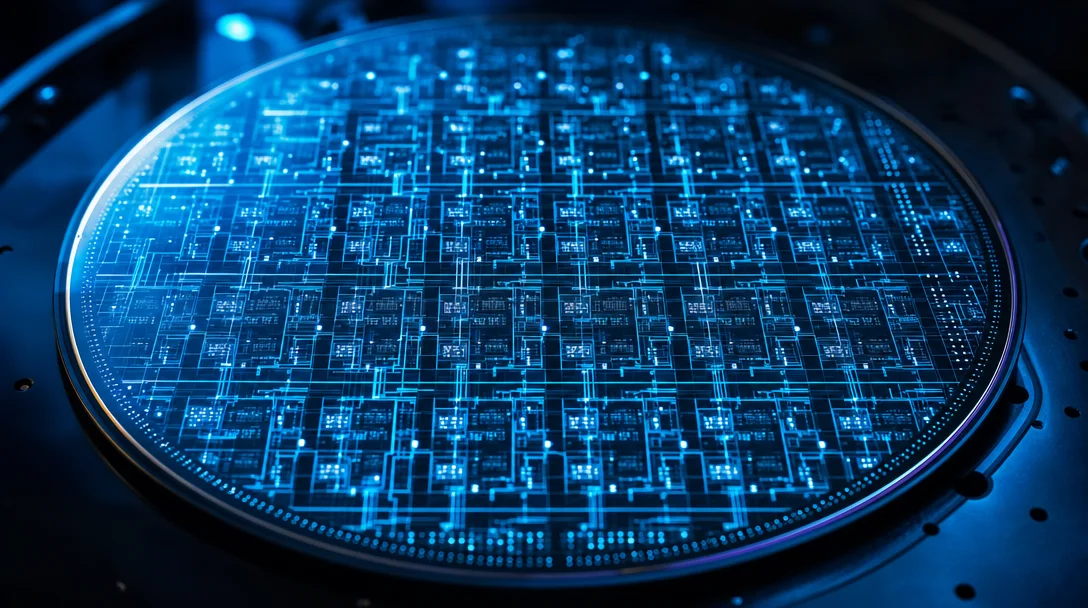
TSMC's 2nm and 3nm lines are fully booked through 2027, the H200 export framework is structurally contradictory, Intel EMIB gains hyperscaler design wins as CoWoS overflows, and Broadcom plus Marvell now control 80%+ of custom AI chip design.
| Node | Name | Target production | Key feature |
|---|---|---|---|
| 2nm | N2 | 2025 (ramping) | First nanosheet FET; +10–15% speed vs. 3nm |
| 2nm+ | N2P | 2026 | Performance/power extension of N2 |
| 1.6nm | A16 | 2027 (delayed from 2026) | Backside power delivery (Super Power Rail) |
| 1.4nm | A14 | 2028 | Second-gen nanosheet, no SPR |
| 1.3nm | A13 | 2029 | Direct shrink of A14; 97% optical scaling |
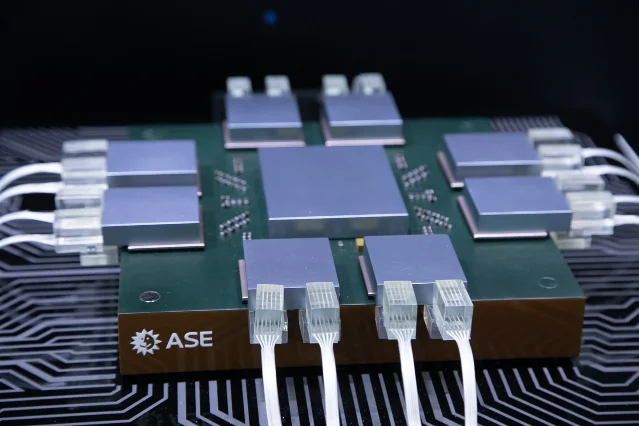
| Design partner | Market share | Key hyperscaler wins |
|---|---|---|
| Broadcom | ~70% | Google TPU, OpenAI (pre-production), Meta MTIA, Anthropic, Apple (new, 2026) |
| Marvell | 20–25% | AWS Trainium, Microsoft Maia |
How Broadcom's AI chip business hit $100B targets, why it beats Nvidia on margins, and where Marvell fits in the custom ASIC design landscape.
このコンテンツについて、さらに観点や背景を補足しましょう。